
Qualitative Research and Analysis with NVivo: From Research Design to Reporting

Writing up a Qualitative PhD (3-day)
A practical, hands-on approach to the key writing challenges qualitative PhD researchers face at every stage of the journey, from crafting a coherent methodology chapter to writing up qualitative data in a way that does justice to your findings.

Introduction to Social Network Research and Analysis
Designed for mixed methods and qualitative researchers, this course covers data collection and research design, visualisation and basic analytic methods used in social network research.
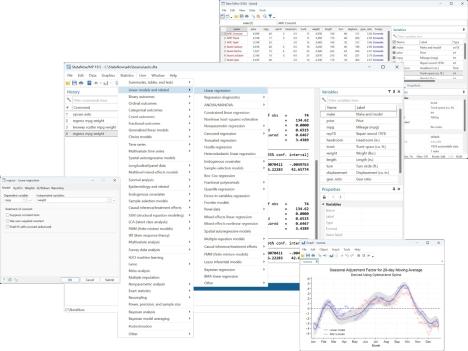
Data Analysis Using Stata
This 5-day course aims to provide you with the understanding and experience to undertake a basic research project in the social or health sciences using Stata as the statistical tool.

Introduction to Deep Learning for Social Sciences (3-day)
Whether you're looking to add AI to your research toolkit or just curious about what deep learning can do, this masterclass will give you the foundation you need to start experimenting with confidence.

Writing Qualitatively (2-day)
This is a practical masterclass is aimed at researchers with some qualitative writing experience who are looking to extend their knowledge and learn some practical tips for managing the process more efficiently.

Focus Group Design and Moderation
An applied comprehensive understanding of focus group design and moderation, establishing the theory and methods of focus group research and offering techniques for managing challenging groups.

Applied Statistical Procedures
This 5-day intermediate course will help you choose from a range of statistical procedures to analyse your data. It aims to provide participants with an ability to understand, run and interpret these procedures.
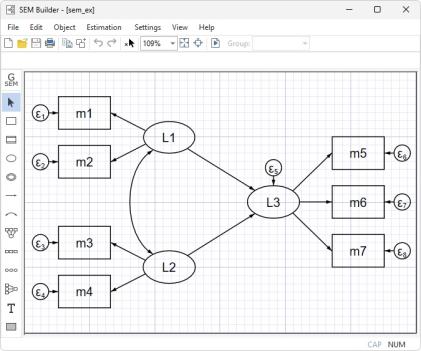
Introduction to Structural Equation Modelling using Stata (2-day)
Designed as an applied introduction to SEM using Stata, this course aims to provide participants with a sound understanding of when to use SEM and how to assess and report their models

Predictive Analytics for Data Science: Linear and Non-Linear Modelling (2-day)
An introduction to linear and non-linear predictive models, providing an interactive step-by-step guide to running these models, and key diagnostics using the R software platform.

NVivo for a Literature Review (2-day)
This master-class introduces NVivo, and takes researchers through the process of sorting and organising literature and notes from readings in a systematic way.

Applied Qualitative Interviewing Methods (1-day)
A one-day, hands-on, advanced qualitative interviewing workshop where you will learn how to acquire high-quality, multi-dimensional data that can meaningfully impact evidence-informed decisions.

Political Survey Design
This course introduces the principles of survey design and standard practices in the field, with particular emphasis on measuring political attitudes, public opinion and electoral behaviour.

NVivo Essentials (3-day)
The workshop aims to provide researchers with essential skills in using the NVivo software. The focus is on developing the essentials skills from NVivo through hands-on experience.

Data Analysis in R
This course will help build participants’ ability to work with data in R and undertake rigorous statistical analysis, including spatial analysis and linear regression, creating publication-standard graphs of the results.

Introduction to Critical Discourse Analysis in Political Science
The aim of this course is to introduce students to the foundations of Critical Discourse Analysis and specifically the Fairclough method.

Introduction to Qualitative Research (3-day)
This is a 3-day introductory unit for individuals with limited or no previous experience with qualitative traditions or techniques of inquiry.

Foundations of Programming in R for Political Analysis in the Age of AI
This course offers hands-on training in R programming for quantitative political analysis, paired with practical and responsible techniques for using AI assistants to write, debug, and verify data analysis code.
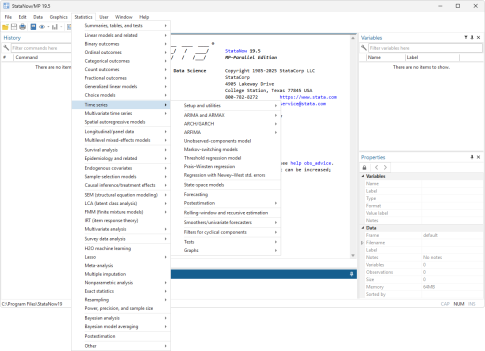
Introduction to Time-Series Analysis using Stata (2-day)
This course is an introduction to time-series concepts and univariate time-series analysis. This course takes a practical applied approach (rather than mathematical), in running basic time-series analysis using Stata.
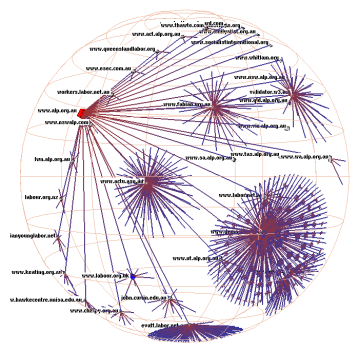
Social Network Analysis in R
A practical introduction to the network perspective and social network analysis (SNA), with a focus on applications in political analysis.

Applied Longitudinal Data Analysis
This course provides an overview of Longitudinal Data Analysis. As well as the statistical theory, an overview of the many applications and capabilities of LDA is given.

Fundamentals of Program Evaluation in Public Policy (3-day)
Foundations of Qualitative Methodologies, Data Collection and Analysis (3-Day)
A 3-day introductory course, designed for the individual with limited or no previous experience with qualitative techniques of data collection and analysis.
Applied Multivariable Statistical Analysis (3-day)
Fundamentals of Choice Modelling
This masterclass introduces students to choice models, discusses and contrasts the family of available model structures, and covers both estimation on data and the use of models to produce outputs for policy.

Thriving in the age of AI: practical protocols for work and life
This workshop will give you repeatable workflows: a mindset on how to start thinking about AI at the automation and decision-support layer. The aim to leave with a few methods that genuinely save time, improve clarity, and thrive with tools we have on hand.
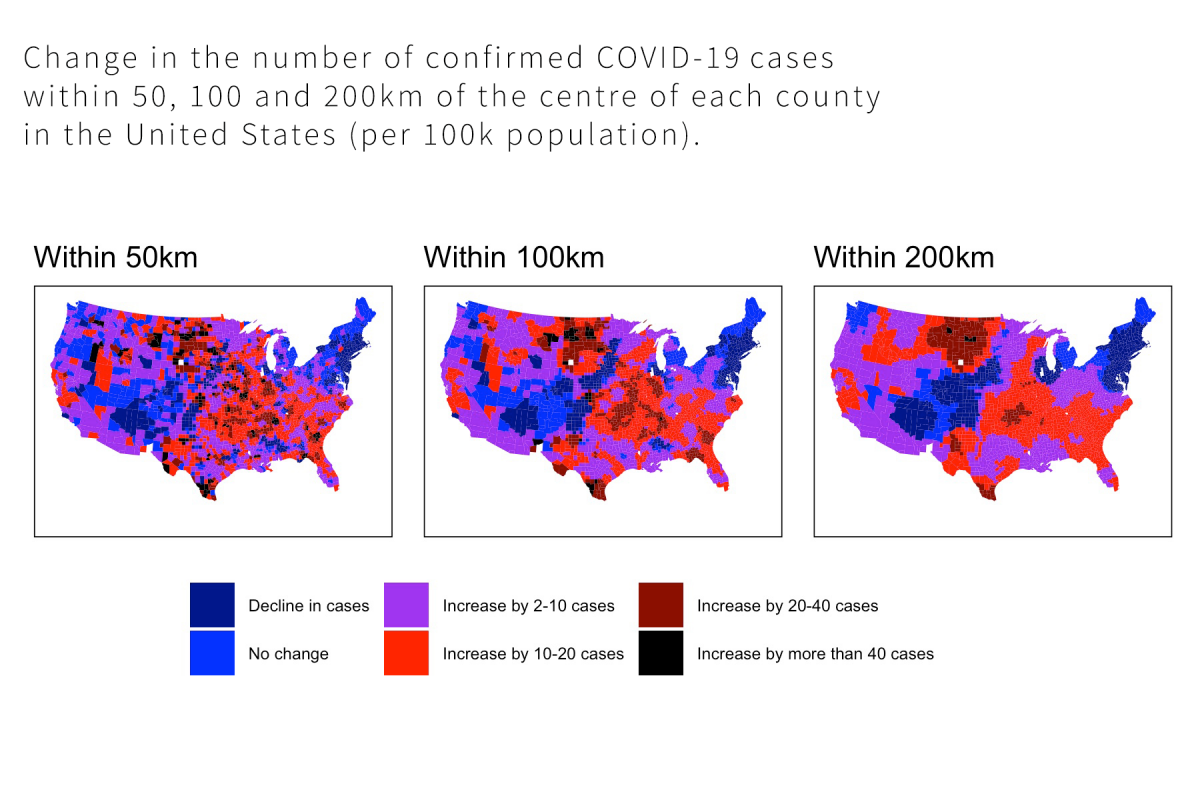
Spatial Analysis in R (2-day)
Designed for the applied users of R, this master-class will show you how to access spatial data from a number of sources, match this with geographic shape files, analyse spatial patterns, link these data to information from surveys, and create interactive maps to highlight important findings.

An Introduction to Mixed Methods Research Design (2-day)
We will explore the key features and different types of mixed method design; critically analyse the benefits and challenges associated with the design and implementation of each design type; and the analysis and write-up of mixed method studies.

Seriously Applied Regression Analysis (3-day)
Multiple regression is a statistical workhorse of the social sciences. This three-day short course is designed for participants who want to strengthen their understanding of regression analysis and apply it confidently in academic research.

Creating and Managing Web surveys using LimeSurvey (1-day)
How to set up, conduct and export your data for a web based survey in the freely available Limesurvey web survey software system.
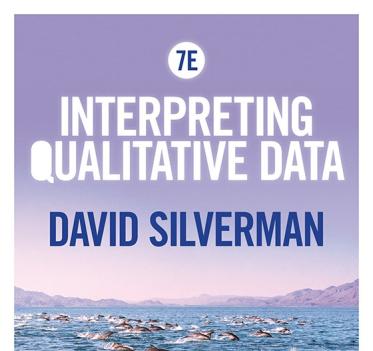
Doing Credible Qualitative Research (4-day)
This master-class is relevant to PhD students and early career researchers and more experienced researchers, who want to do qualitative research and to write it up rigorously and effectively.
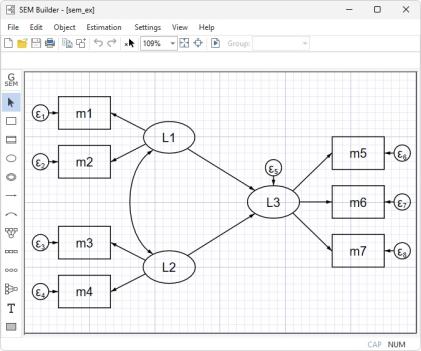
Structural Equation Modelling using Stata (2-day)
Designed as an applied introduction to SEM using Stata, this course aims to provide participants with a sound understanding of when to use SEM and how to assess and report their models.

Introduction to Survival Analysis (2-day)
Survival analysis is used to find out the time it takes for an event of interest to occur (e.g., death, birth, recidivism). This course is designed as an introduction to survival analysis.
Introduction to Qualitative Research
This is a 5-day introductory unit for individuals with limited or no previous experience with qualitative traditions or techniques of inquiry.
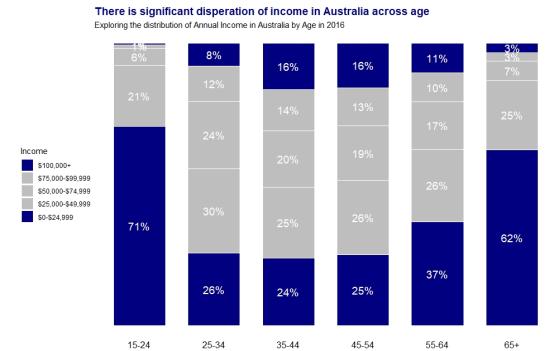
Storytelling with Data Visualisation (3-day)
This master-class has two objectives – to teach the design principles required to make plots that really have an impact on the reader, and to teach the practical skills required to create these plots within the R software package.
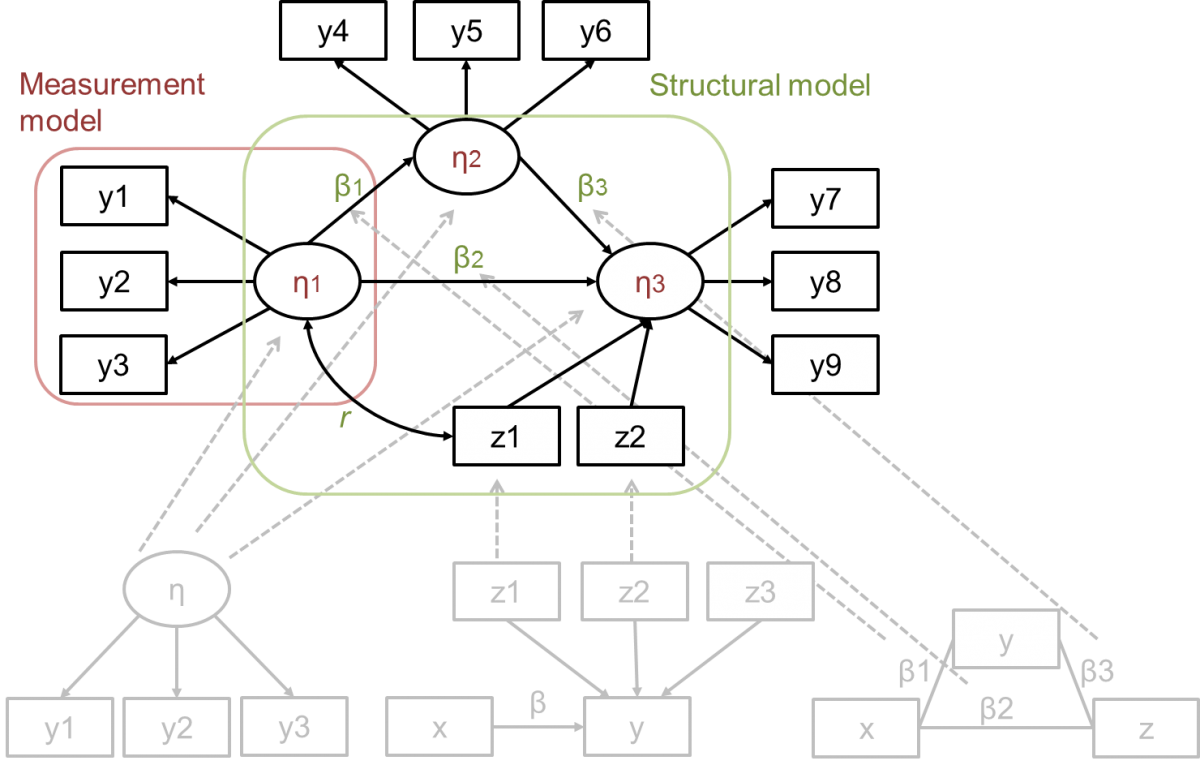
Advanced Structural Equation Modelling
This course is designed as an advanced course in Structural Equation Modeling (SEM) for existing AMOS and/or Mplus users.
Structural Equation Modelling (SEM) Fundamentals (3-day)
This 3-day course is designed to cover the fundamental principles of Structural Equation Modeling (SEM) and introduce the AMOS and/or Mplus software packages to estimate structural equation models.

Introduction to Python for Social Sciences (2-day)
A step-by-step, interactive introduction to Python for participants with no experience with this software package.
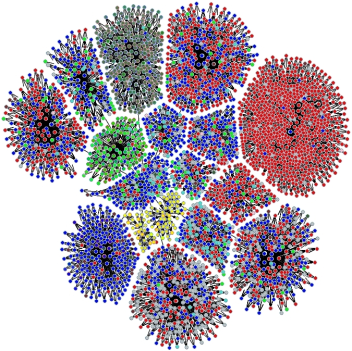
Computational Social Science: From Social Networks to Simulating Societies
This is an online, self paced introduction to core concepts, methods and tools in computational social science focusing on three themes: (1) networks as data; (2) text as data; (3) prediction and simulation.
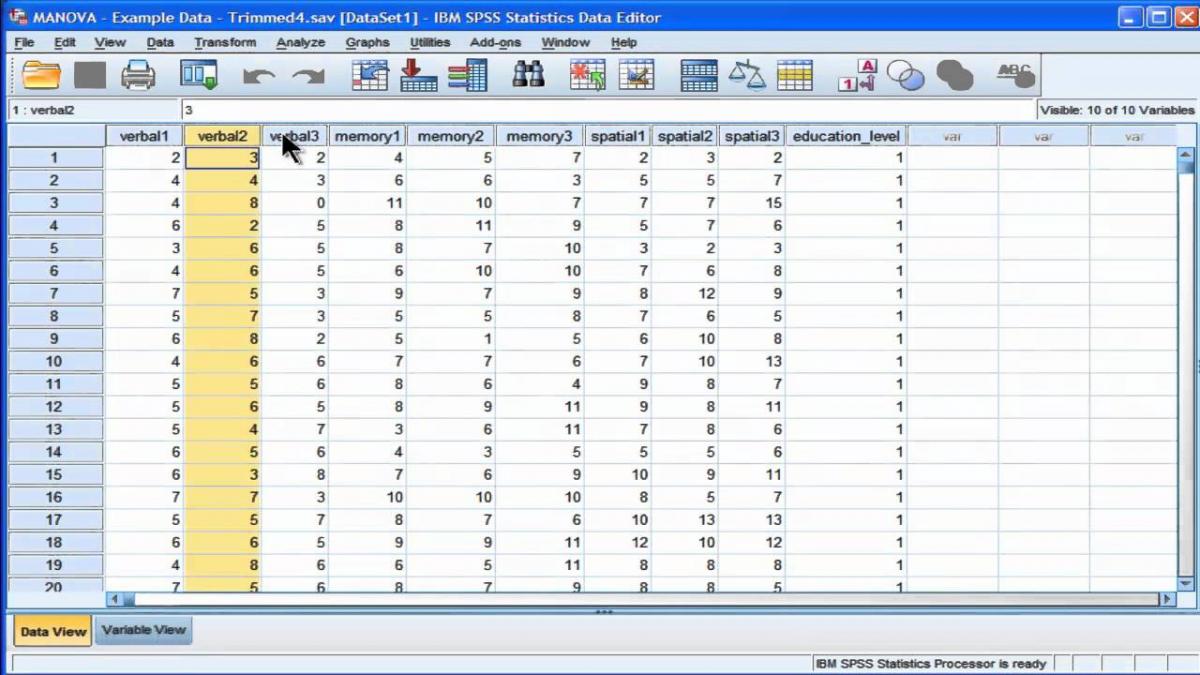
Multivariate Analysis of Variance (MANOVA) (2-day)
Multivariate analysis of variance (MANOVA) is an extension of analysis of variance (ANOVA) to deal with two or more continuous outcomes or dependent variables. This technique is used to determine whether multiple levels of independent variables on their own or in combination with one another have an effect on the outcome variables.

Foundations of Statistical Analysis in Political Analysis
The aim of this course is to provide students with an accessible introduction to the fundamentals of quantitative political science research.

Machine Learning for Data Science: Supervised Learning Techniques (3-day)
An introduction to supervised machine learning techniques for data science, providing an interactive step-by-step guide to running some of the standard statistical regression and classification machine learning models that every data scientist should know.

Questionnaire Design (2-day)
Collecting survey data can be expensive and time-consuming; therefore it is appropriate to ensure that usable and reliable data are collected. This 2-day course is designed to prepare participants to build hard copy or internet surveys to meet a variety of needs.

Oral History, Ethnography and Archival Analysis in Political Science
This course introduces core qualitative methods for political science, teaching how researchers collect and interpret unstructured evidence through immersive and interpretive approaches. It is structured around 3 types of qualitative data and the methods for collecting them: oral history, political ethnography and qualitative archival analysis.
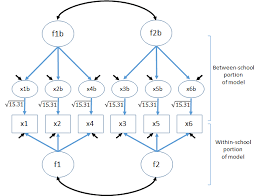
Multi-level Analysis using Mplus
An introduction to the concepts and techniques required to analyse data that is multi-level in nature. (That is, data that is derived from subjects who are nested within groups or data that involves repeated measures that are nested within subjects).

Harnessing MAXQDA for Qualitative Analysis (2-day)
This 2-day master-class provides a comprehensive introduction to the use of MAXQDA for qualitative analysis, focusing on harnessing its tools appropriately within methodological contexts.

Advanced Statistical Analysis Using R
The focus of this course is on learning advanced statistical methods using R.

Introduction to R (3-day)
This masterclass offers a step-by-step, interactive introduction to R and RStudio for participants with no experience with these software packages.
Applied Qualitative Comparative Analysis (QCA)
A course for participants who have experience in qualitative or quantitative research and who are interested in applying QCA in their current or future studies.

Meaning in Politics: an Introduction to Interpretive Methods
The aim of this course is to introduce and build capacity for Interpretivist Methods in Political Science.

Introduction to LimeSurvey and CANVASS - (1.5 hours)
This short webinar demonstrates the set up and execution of an evaluation questionnaire. It shows how to use LimeSurvey for the first time, and gives some hints at the advanced functionality available for more experienced users.

Introduction to Large Language Models (LLMs) in Social Sciences (3-day)
An introduction to Large Language Models (LLMs) in the context of social sciences, offering hands-on, practical experience - no coding expertise or advanced maths skills required.

Fundamentals of Structural Equation Modelling
This course provides an overview of the fundamentals of SEM. As well as the statistical theory, an overview of the many applications and capabilities of SEM is given.

Discourse Analysis (2-day)
A 2-day applied introduction, providing a theoretical overview to discourse analysis using a variety of textual data, introducing you to critical methods for analysing and interrogating discourses.

Survey Experiments for Political Science
This course covers the foundations of designing, implementing and analysing basic online survey experiments in political science.

Collecting, Managing and Analysing Qualitative INTERVIEW Data (2-day)
This two-day course will address the issues of preparing for, collecting, managing and analysing data from Face to Face and Focus Group interviews from a practical perspective.

The Art of Survey Writing (2-day)
Taught by an instructor with real-world experience as a campaign consultant, survey researcher and data scientist, this 2-day masterclass will focus on teaching you about survey design.

The Art of Interviewing (2-day)
From conversations to focus groups, this two-day intensive will help professionals, researchers and evaluators create careful and impactful interviews.
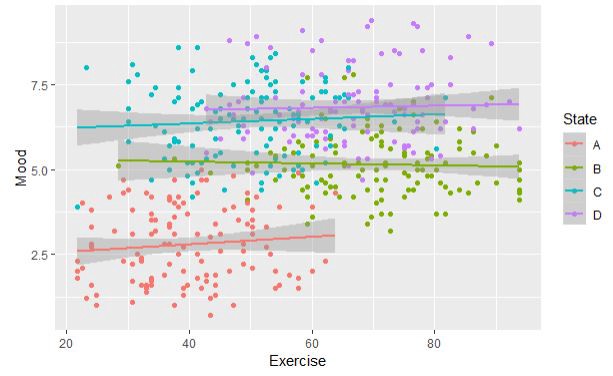
Introduction to Mixed Effects Modelling (2-day)
This course is designed as an introduction to mixed effects modelling. These models involve data arising from longitudinal studies or studies where the data exhibits some form of hierarchy, and sometimes referred to as multilevel modelling.

Qualitative Research: Design, Analysis and Representation
A 5-day course designed for participants who have undertaken a qualitative study in their work or study and would like to build their theoretical knowledge and applied skill base in qualitative research.

Fundamentals of Statistics
A 5-day introductory unit in statistical methods with the emphasis on statistical techniques applicable to the social sciences, although these introductory techniques are also relevant to the health sciences.
Qualitative Research: Doing Constructionist Data Analysis (4-day)
Guidance for early career researchers on how to use the latest constructionist approaches, which treat our data as instances of complex behaviours and hence complementary to quantitative research.